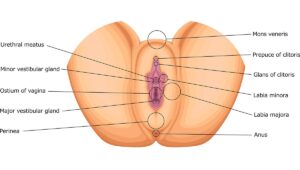

Interest in female genital cosmetic procedures has increased significantly over the past decade, prompting many women to ask what labiaplasty is and whether it may be right for them. While the topic is sometimes framed purely as cosmetic, labiaplasty is often performed for functional, medical, and psychological reasons. Understanding the anatomy, surgical techniques, candidacy, and recovery process is essential for making an informed decision.
This comprehensive guide explains what labiaplasty is, who can benefit from it, and what patients can realistically expect before and after surgery.
What Is Labiaplasty?
At its core, labiaplasty refers to a surgical procedure that reshapes or reduces the labia, most commonly the labia minora. The labia minora are the inner folds of skin that surround the vaginal opening. In some women, they may be elongated, asymmetrical, or cause physical discomfort.

When patients ask about labiaplasty surgery, they are referring to a precise surgical technique designed to remove excess tissue while preserving natural contour, pigmentation, and sensitivity. Modern techniques prioritize both aesthetic harmony and functional preservation.
The medical term often associated with enlarged labia is labial hypertrophy. Common labial hypertrophy causes include genetics, hormonal changes during puberty, childbirth, aging, and significant weight fluctuations. In many cases, enlargement is completely normal anatomically. Surgery is considered when symptoms or personal concerns affect one’s quality of life.
Understanding what labiaplasty is also requires recognizing that it is not a one-size-fits-all procedure. It is tailored to the patient’s anatomy and goals, often performed as an outpatient procedure under local anesthesia with sedation or general anesthesia.
What Is the Purpose of a Labiaplasty?
The answer to this typically falls into three categories: functional relief, aesthetic refinement, and psychological confidence. From a functional standpoint, excess labial tissue can cause irritation during exercise, cycling, intercourse, or when wearing fitted clothing. Some women report chronic chafing, hygiene challenges, or recurrent inflammation. In these cases, the purpose of a labiaplasty becomes clear. It is to alleviate physical discomfort and restore comfort in daily activities.
Aesthetically, patients may feel self-conscious about asymmetry or protrusion. While variation in labial anatomy is normal, some women prefer a more streamlined contour. Here, the purpose of a labiaplasty is personal confidence rather than medical necessity.
In certain cases, labiaplasty is performed as part of comprehensive vaginal rejuvenation, especially when combined with vaginoplasty or perineoplasty to address childbirth-related changes.
Surgical Techniques: Trim vs. Wedge Labiaplasty
To fully understand what labiaplasty surgery is, it is helpful to review the primary surgical techniques.

Trim Technique
The trim technique involves removing excess tissue along the outer edge of the labia minora to reduce protrusion and create a smoother contour. It is particularly effective for patients with darker or thickened edges who prefer a more uniform appearance. This method directly reshapes the visible labial border.
Wedge Technique
The wedge technique removes a V shaped section of tissue from the thickest central portion of the labia minora while preserving the natural outer edge. This approach maintains native pigmentation and contour, often resulting in a more natural look. It is ideal for patients seeking reduction without altering the labial border.
What Is a Bilateral Labiaplasty?
A bilateral labiaplasty procedure means that both sides of the labia minora are surgically reshaped. This is the most common approach, since hypertrophy or asymmetry often affects both sides. In contrast, a unilateral labiaplasty involves only one side and is less common.
Understanding what a bilateral labiaplasty is is important because symmetry and balance are key surgical goals. Precision, preservation of nerve supply, and meticulous suturing techniques are essential to avoid complications and maintain sensation.
How Common Is Labiaplasty and Who Typically Seeks It?
According to national cosmetic surgery statistics, labiaplasty has consistently ranked among the fastest-growing cosmetic procedures over the past decade1. The increase reflects greater awareness, reduced stigma, and advances in surgical safety.
So, how common is labiaplasty among different age groups? While patients range from their early twenties to postmenopausal women, many seek consultation after childbirth or during midlife when tissue laxity becomes more noticeable.
When evaluating candidacy, surgeons assess physical health, psychological readiness, and realistic expectations. Understanding what is labiaplasty includes recognizing that it is most appropriate for adult women who are fully developed anatomically and are making an informed, voluntary decision.
Is Labiaplasty Safe?
Safety is a critical consideration. Patients frequently ask if labiaplasty is safe. When performed by an experienced, board-certified surgeon in a sterile surgical setting, labiaplasty is generally considered safe with a high satisfaction rate2.

However, as with any surgical procedure, risks exist. Potential complications include infection, bleeding, scarring, temporary swelling, and rarely changes in sensation. Careful surgical planning and adherence to postoperative instructions significantly reduce these risks.
So, is labiaplasty safe in the long term? Long-term complications are uncommon when the procedure is performed conservatively and anatomically. Surgeons must avoid over-resection, which can lead to dryness or discomfort.
Understanding what labiaplasty surgery is also means understanding the importance of choosing a specialist with expertise in female genital anatomy, not simply a general cosmetic surgeon.
Is Labiaplasty Painful?
Pain perception varies, but many individuals want to know how painful a labiaplasty is in practical terms. During surgery, anesthesia prevents pain. Postoperatively, most patients describe discomfort as moderate swelling, tenderness, and a sensation similar to bruising. Oral pain medication and cold compresses typically control symptoms effectively.
When discussing how painful a labiaplasty is, it is important to distinguish between immediate postoperative soreness and long term pain. Severe or chronic pain is uncommon. Swelling usually peaks within 48 to 72 hours and gradually subsides. It is worth noting that proper technique, minimal tissue trauma, and detailed aftercare instructions significantly improve comfort levels.
What Is the Recovery Time for a Labiaplasty?
Another frequent question is, what is the recovery time for a labiaplasty? Initial recovery typically lasts one to two weeks, during which swelling and mild bruising resolve gradually. Many patients resume desk-based activities within a few days, particularly if their work is not physically demanding. Strenuous exercise and sexual activity are generally postponed for four to six weeks to allow complete healing.

Another related concern lies in how long labiaplasty stitches take to dissolve. Most surgeons use absorbable sutures that dissolve within three to six weeks, depending on the material used and individual healing rates.
Understanding what the recovery time for a labiaplasty is also includes recognizing that final results may take several months as residual swelling fully subsides.
Is Labiaplasty Right for You?
Determining candidacy requires more than asking what labiaplasty is. It involves assessing symptoms, expectations, and overall health. Ideal candidates are in good physical health, do not smoke, and have specific concerns such as discomfort, asymmetry, or tissue elongation. Women who ask what the purpose of a labiaplasty is, often already experience functional limitations.

It is equally important to consider emotional readiness. Surgery should not be pursued to meet external pressures or unrealistic aesthetic standards. A thorough consultation helps clarify whether what is labiaplasty surgery aligns with personal goals.
Empowered Decisions Begin With Accurate Information
Understanding what labiaplasty is involves more than a simple definition. It requires knowledge of anatomy, surgical precision, recovery expectations, and realistic outcomes. When performed for appropriate reasons, labiaplasty can relieve discomfort, enhance confidence, and improve quality of life.
Alinea Labiaplasty & Vaginoplasty NJ, our advanced vaginal rejuvenation clinic, offers cutting-edge labiaplasty procedures using refined surgical techniques and individualized treatment planning. We provide flexible payment plans and personalized consultations to help you make an informed choice. Contact our team today to schedule your private consultation.
References
- Kalampalikis A, Michala L. Cosmetic labiaplasty on minors: a review of current trends and evidence. Int J Impot Res. 2023 May;35(3):192-195. doi: 10.1038/s41443-021-00480-1. Epub 2021 Oct 18. PMID: 34663925; PMCID: PMC8522251.
- Ucar E, Bestel M, Ucar BH, Dogan O. The Effect of Technique Selection in Labiaplasty Surgery: Analysis of Aesthetic and Functional Outcomes. J Clin Med. 2025 Dec 17;14(24):8923. doi: 10.3390/jcm14248923. PMID: 41464824; PMCID: PMC12733703.