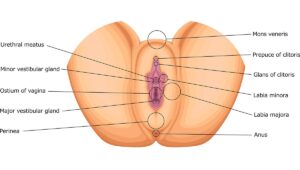
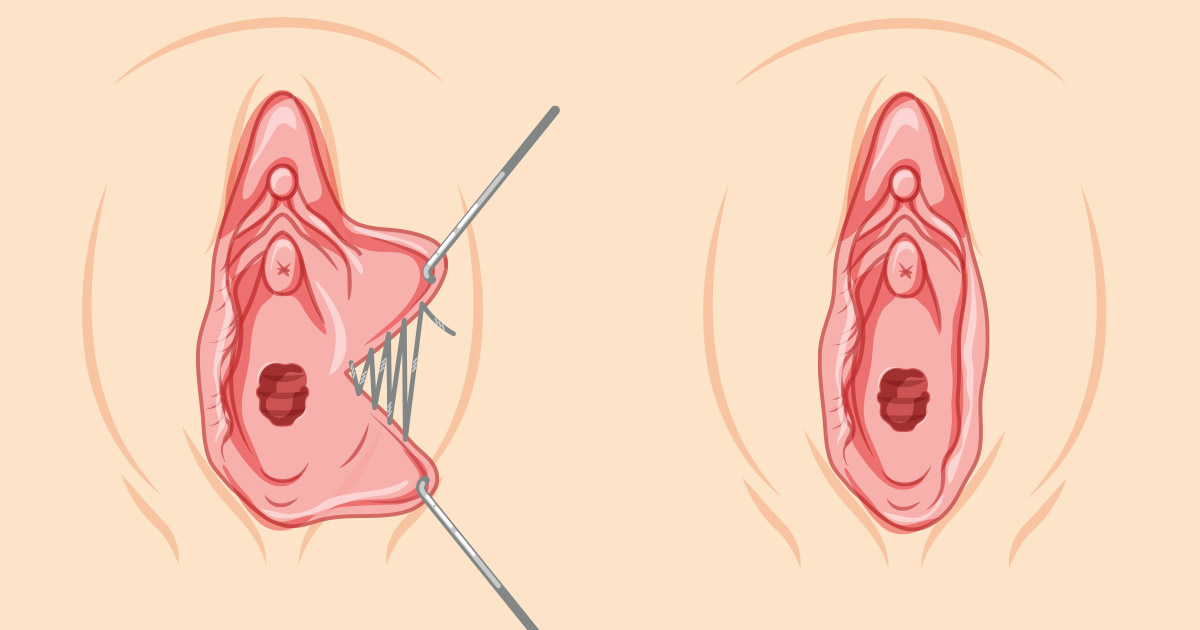
Labiaplasty is a technically precise surgical procedure performed for both functional and aesthetic reasons. Patients frequently ask when labiaplasty stitches dissolve, largely because postoperative healing of the vulvar tissue differs from other surgical sites due to its anatomy, vascularity, and constant exposure to moisture and friction.
Understanding how long labiaplasty stitches take to dissolve requires knowledge of suture materials, wound biology, and surgical technique. This article provides an expert-level explanation grounded in surgical science and clinical evidence.
Surgical Context: Why Stitches Are Used in Labiaplasty
Labiaplasty typically involves the reduction or reshaping of the labia minora and, less commonly, the labia majora1. The procedure may be performed for aesthetic preferences, functional enhancement or for medical reasons, including chronic irritation, dyspareunia, hygiene difficulties, recurrent infections, or discomfort during physical activity.
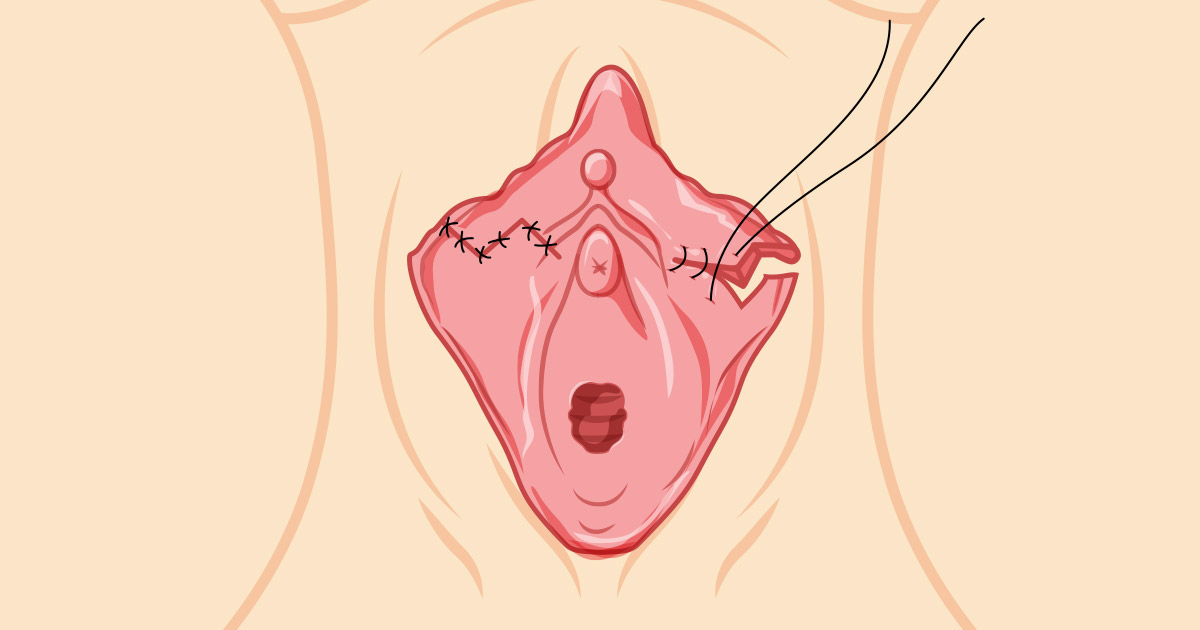
Anatomically, the labia minora consist of highly vascularized mucocutaneous tissue, which explains why the labia minora sticks out in some individuals due to genetic, hormonal, or childbirth-related factors.
Because of this delicate tissue composition, surgeons typically use labiaplasty dissolvable stitches to approximate wound edges while minimizing the need for postoperative labiaplasty stitch removal.
Types of Labiaplasty Stitches and Their Biological Behavior
Most surgeons use absorbable synthetic sutures such as polyglactin 910 (Vicryl) or poliglecaprone (Monocryl)2. These materials are designed to maintain tensile strength for a limited period before undergoing hydrolytic degradation.
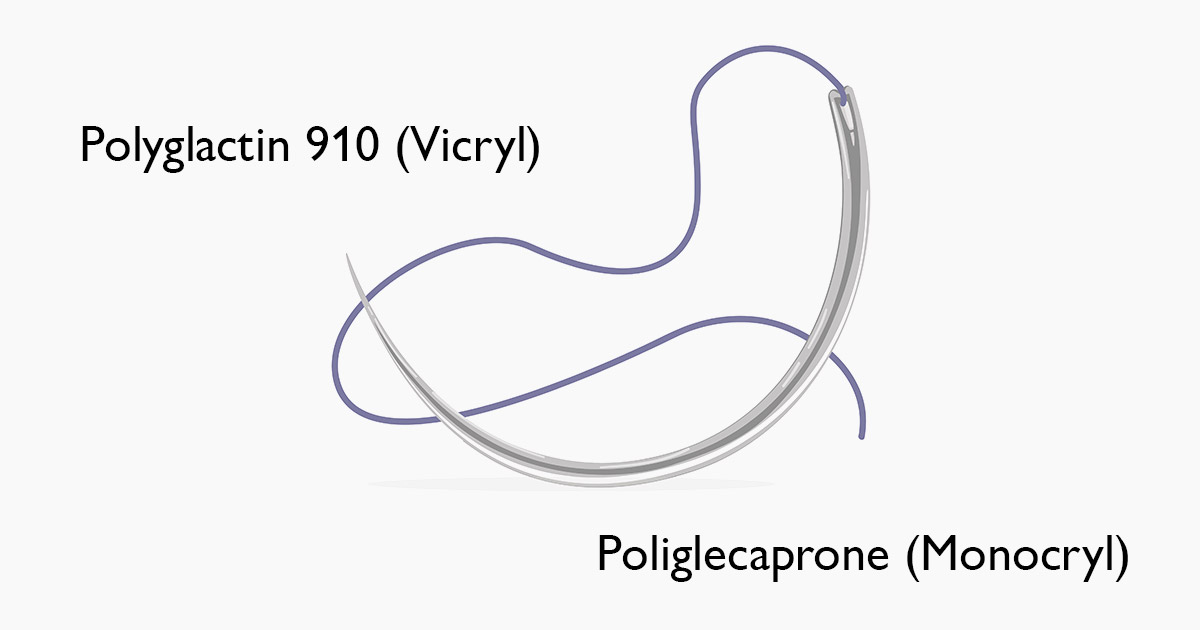
Key properties influencing labiaplasty recovery stitches include:
- Suture caliber, with finer sutures dissolving faster
- Knot density and burial depth
- Local tissue pH and enzymatic activity
- Degree of postoperative inflammation
From a surgical perspective, labiaplasty stitches are placed in layered closure, often with deep interrupted sutures and superficial running sutures. This layered approach optimizes wound strength while allowing gradual absorption.
How Long Do Labiaplasty Stitches Take to Dissolve? A Timeline

Immediate Postoperative Phase (Days 1 to 7)
During the first week of labiaplasty recovery, labiaplasty stitches remain fully intact. Patients experience edema, mild bleeding, and an inflammatory response, all of which are necessary components of wound healing. At this stage, patients may feel tightness or pulling, but the sutures are not dissolving in any meaningful way.
Early Absorption Phase (Weeks 2 to 3)
Between weeks two and three, hydrolysis begins to weaken the suture material. Many patients ask when the labiaplasty stitches fall out during this period. Clinically, sutures do not fall out but rather lose tensile strength, causing knots or small fragments to loosen. This is often misinterpreted as premature suture failure.
Intermediate Phase (Weeks 4 to 6)
During weeks four to six, most absorbable sutures have lost the majority of their tensile strength as hydrolytic degradation progresses. While the incision itself is typically stable due to collagen deposition and tissue remodeling, small suture remnants or knots may still be felt, especially in areas of thicker or more mobile tissue.
Late Absorption Phase (Weeks 7 to 12)
In some cases, labiaplasty stitches not dissolving by six weeks may cause concern. However, complete absorption can take up to 12 weeks, especially if thicker sutures were used or healing was delayed by inflammation3. Persistent sutures beyond this point may require simple in-office labiaplasty stitch removal.
Factors That Influence Dissolution Speed
Understanding how long labiaplasty stitches take to dissolve requires evaluating patient-specific and surgical factors:
- Suture material and size
- Surgical technique, such as trim versus wedge resection
- Local tissue tension and vascularity
- Patient health variables, including smoking, diabetes, and nutritional status
- Postoperative care adherence
These factors explain why labiaplasty recovery stitches do not dissolve uniformly across all patients.
Normal Versus Abnormal Findings During Labiaplasty Recovery
Expected and Normal
- Mild itching as sutures dissolve
- Small suture fragments noted during hygiene
- Temporary asymmetry due to uneven swelling
- Gradual softening of incision lines
These findings are considered part of normal healing with absorbable sutures following labiaplasty.
Concerning Signs
- Increasing pain after initial improvement
- Spreading erythema or purulent discharge
- Wound separation or bleeding
- Persistent foreign body sensation beyond 10 to 12 weeks
These symptoms may indicate infection, suture granuloma, or labiaplasty stitches not dissolving properly and warrant evaluation.
The Science of Spitting Stitches and Granulation Tissue
A phenomenon known as suture extrusion or spitting stitches occurs when the body pushes partially degraded sutures to the surface. This is not uncommon in mucosal tissue and does not imply surgical failure. Granulation tissue may form as a hypervascular response and is typically manageable with simple in-office treatment.
Importantly, spitting stitches are distinct from true wound dehiscence and do not alter long-term outcomes when managed appropriately.
Frequently Asked Questions
How long do labiaplasty stitches take to dissolve completely?
Most patients experience near-complete absorption by six weeks, though labiaplasty stitches can take up to 12 weeks to dissolve, depending on suture type and individual healing response.
When do labiaplasty stitches fall out?
Patients often notice suture ends loosening or small fragments shedding between weeks two and four. This reflects the normal loss of tensile strength and gradual breakdown of absorbable sutures, not actual separation of intact stitches from the tissue.
What if the labiaplasty stitches are not dissolving?
Persistent sutures beyond 8 to 12 weeks may represent labiaplasty stitches not dissolving fully. In such cases, minor labiaplasty stitches removal can be performed safely without anesthesia.
Long-Term Healing and Scar Maturation
Even after labiaplasty stitches have dissolved, tissue remodeling continues for several months. Collagen reorganization, nerve regeneration, and pigmentation changes occur gradually. Final aesthetic and functional outcomes are typically assessed at six to twelve months postoperatively.
Final Takeaway: Understanding Healing Improves Outcomes
Understanding how long labiaplasty stitches take to dissolve empowers patients to distinguish normal healing from complications. Most labiaplasty stitches dissolve predictably within four to six weeks, with complete absorption sometimes taking longer. Awareness of biological healing processes, adherence to postoperative instructions, and timely follow-up are critical to optimal recovery.
Patients who understand the science behind labiaplasty recovery stitches experience less anxiety, better compliance, and improved satisfaction with their surgical outcomes.
At Alinea Labiaplasty & Vaginoplasty NJ, we offer expertly performed labiaplasty along with a full range of advanced vaginal rejuvenation procedures tailored to each patient’s anatomy, concerns, and goals. Every treatment plan is developed with a focus on safety, evidence-based techniques, and natural-looking outcomes. If you are considering labiaplasty or other vaginal rejuvenation treatments, we invite you to contact us to schedule a confidential consultation and learn about your options.
References
- Oranges CM, Sisti A, Sisti G. Labia minora reduction techniques: a comprehensive literature review. Aesthet Surg J. 2015;35(4):419-431. doi:10.1093/asj/sjv023
- Austin Labiaplasty & Vaginal Rejuvenation. Suture used in labiaplasty. Published December 9, 2014. Accessed January 5, 2024. https://austinlabiaplasty.com/news/suture-used-labiaplasty/
- Bezwada RS, Jamiolkowski DD, Lee IY, et al. Monocryl suture, a new ultra-pliable absorbable monofilament suture. Biomaterials. 1995;16(15):1141-1148. doi:10.1016/0142-9612(95)93577-z