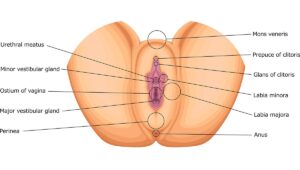

Labiaplasty is commonly classified as a cosmetic procedure when performed to change appearance alone. Insurance consideration may become possible when there is documented functional impairment, such as chronic irritation, recurrent infections, trauma, or congenital abnormalities. Coverage decisions are based on medical necessity criteria outlined in individual insurance policies. Careful documentation and prior conservative treatment are often part of the review process.
Cosmetic vs. Medically Necessary Surgery
Insurance policies distinguish between cosmetic and medically necessary procedures. Cosmetic surgery alters anatomy for aesthetic reasons. Medically necessary surgery addresses structural abnormalities or functional impairment related to trauma, disease, congenital conditions, or persistent physical symptoms. Emotional distress without physical symptoms is often not sufficient to meet medical necessity standards under many plans.
Clinical Situations That May Support Coverage

Insurance review typically requires documented functional concerns. These may include:
- Persistent chafing or irritation that interferes with walking, exercise, or daily activities
- Recurrent infections associated with excess tissue
- Dyspareunia, which means pain with intercourse
- Skin breakdown or labial tearing
- Repair after trauma or childbirth injury
- Congenital abnormalities
If symptoms include pain during sex (dyspareunia), clinicians evaluate whether labial anatomy may contribute mechanically to discomfort. They must first evaluate other potential causes, such as pelvic floor dysfunction, vulvodynia, dermatologic conditions, or hormonal changes, before attributing symptoms to labial anatomy. A detailed medical history and examination are necessary before linking symptoms directly to tissue characteristics.
Research has reported that functional complaints are frequently a primary motivation for labiaplasty, with aesthetic concerns often secondary.1 This distinction is important because insurance review focuses on documented physical symptoms rather than cosmetic goals.
The Role Of Conservative Management
Many insurers expect documentation of non-surgical treatment before reviewing a request for labiaplasty. This is commonly referred to as conservative management. Examples may include:
- Wearing loose cotton underwear
- Avoiding tight athletic clothing
- Applying protective barrier creams
- Adjusting hygiene routines
- Modifying activities that increase friction
Some policies outline a defined trial period, while others require documentation of failed conservative therapy without specifying a fixed duration.
What Insurers Review During Preauthorization
Preauthorization is often required before surgery is scheduled. Insurers examine submitted medical records to determine whether the request aligns with policy criteria.

Documentation may include:
- A detailed symptom history with duration and frequency
- Physical examination findings describing tissue characteristics or irritation
- Evidence of conservative management attempts
- Appropriate procedural coding
- In some cases, preoperative clinical photographs
Different Current Procedural Terminology codes may apply depending on the surgical approach2. Coding accuracy can influence how a claim is processed, but there is no single CPT® code that universally applies to labiaplasty. Surgeons may report the procedure under partial vulvectomy, perineoplasty, or unlisted vulvar procedure codes, depending on the surgical technique and documentation. Coding selection can significantly influence claim review and reimbursement.
How Much Is Labiaplasty With Insurance?
Costs vary depending on what portion of the procedure is approved and how the individual policy applies deductibles and coinsurance. Expenses may include:
- Surgeon fees
- Facility fees
- Anaesthesia services
- Pre and post-operative care
According to data from the American Society of Plastic Surgeons, the average surgeon’s fee for labiaplasty in the United States is approximately $3,900, though this figure reflects surgeon fees only and does not include facility or anesthesia charges.3 Total costs increase when facility and anaesthesia charges are included. Hospital outpatient departments often have higher facility fees than ambulatory surgery centres, although pricing varies by region and insurance contract.
The final labiaplasty cost with insurance depends on the specific coverage determination and benefit structure. A written estimate that separates each component can help clarify potential out-of-pocket expenses before surgery is scheduled.
What Insurance Covers Labiaplasty?
There is no single insurer that consistently covers labiaplasty. Coverage depends on the specific language of the policy and how medical necessity is defined. For example, policy descriptions related to Aetna Medicaid insurance covering labiaplasty have indicated it may be limited to cases involving congenital abnormalities or documented functional impairment. Each plan outlines its own criteria and exclusions.4

Research has reported that only a small percentage of labiaplasty procedures were covered by insurance claims, even when functional symptoms were documented.5 This reflects the strict medical necessity standards applied by many insurers. Because coverage language varies between plans, reviewing your individual benefits and requesting preauthorization before scheduling surgery is important.
Frequently Asked Questions
What Is Labiaplasty?
Labiaplasty is a surgical procedure that reduces or reshapes the labia minora and sometimes the labia majora. It may be performed for functional concerns or for cosmetic reasons, depending on the patient’s goals and clinical findings.
Is Labiaplasty Covered By Insurance?
Coverage may be possible when there is documented functional impairment such as chronic irritation, recurrent infection, trauma, or persistent pain. Cosmetic requests are commonly excluded under many policies.
Will Insurance Cover Labiaplasty?
Insurance consideration depends on whether the medical necessity criteria are met. Documentation of persistent symptoms and unsuccessful conservative treatment is often required before approval is reviewed.
When Can Labiaplasty Costs Be Covered By Insurance?
Labiaplasty costs may be covered by insurance when the procedure meets medical necessity criteria outlined in the individual policy. This typically involves documented functional impairment such as chronic irritation, recurrent infections, trauma, congenital abnormalities, or persistent pain that affects daily activities. Medical records usually need to demonstrate ongoing symptoms and prior conservative treatment before coverage is reviewed. Approval depends on the insurer’s specific definitions, documentation requirements, and benefit structure.
Can a Labiaplasty Be Covered By Insurance?
In certain circumstances, coverage may be considered when medical records demonstrate functional limitations and clinical findings that align with policy guidelines. Each insurer evaluates requests according to its own criteria.
Conclusion: Does Insurance Cover Labiaplasty?
Insurance coverage for labiaplasty depends on how the procedure is classified under your specific policy. When surgery is requested for cosmetic reasons alone, coverage is commonly excluded. When there is documented functional impairment such as chronic irritation, recurrent infections, trauma, or persistent discomfort, a request may be reviewed under medical necessity criteria.

Approval is based on documentation, prior conservative management, and adherence to insurer guidelines. Each case is evaluated individually, and outcomes vary depending on policy language and supporting records.
How We Can Help
At Alinea Labiaplasty & Vaginoplasty NJ, our team conducts a comprehensive clinical evaluation and documents functional concerns carefully when present. We are familiar with how insurers evaluate medical necessity submissions and what information is commonly requested during preauthorization review. Request a consultation today!
References
- Ortega-Sánchez I, Lucha-López MO, Monti-Ballano S. Motivational Factors for Labiaplasty: A Systematic Review of Medical Research. J Clin Med. 2025 Apr 14;14(8):2686. doi: 10.3390/jcm14082686. PMID: 40283515; PMCID: PMC12028117.
- American Medical Association & American Medical Association. (2026, January 26). CPT® evaluation and Management. American Medical Association. https://www.ama-assn.org/practice-management/cpt/cpt-evaluation-and-management
- American Society of Plastic Surgeons. “Labiaplasty | Aesthetic Genital Plastic Surgery.” American Society of Plastic Surgeons, www.plasticsurgery.org/cosmetic-procedures/aesthetic-genital-plastic-surgery/labiaplasty.
- A. “Cosmetic Surgery and Procedures – Medical Clinical Policy Bulletins | Aetna.” Aetna, www.aetna.com/cpb/medical/data/1_99/0031.html.
- Aulia, Indri, et al. “Behind the Decision: Exploring Motivations, and Psychological and Sexual Outcomes of Labiaplasty.” Plastic & Reconstructive Surgery Global Open, vol. 13, no. 8, Aug. 2025, p. e7051. https://doi.org/10.1097/gox.0000000000007051.